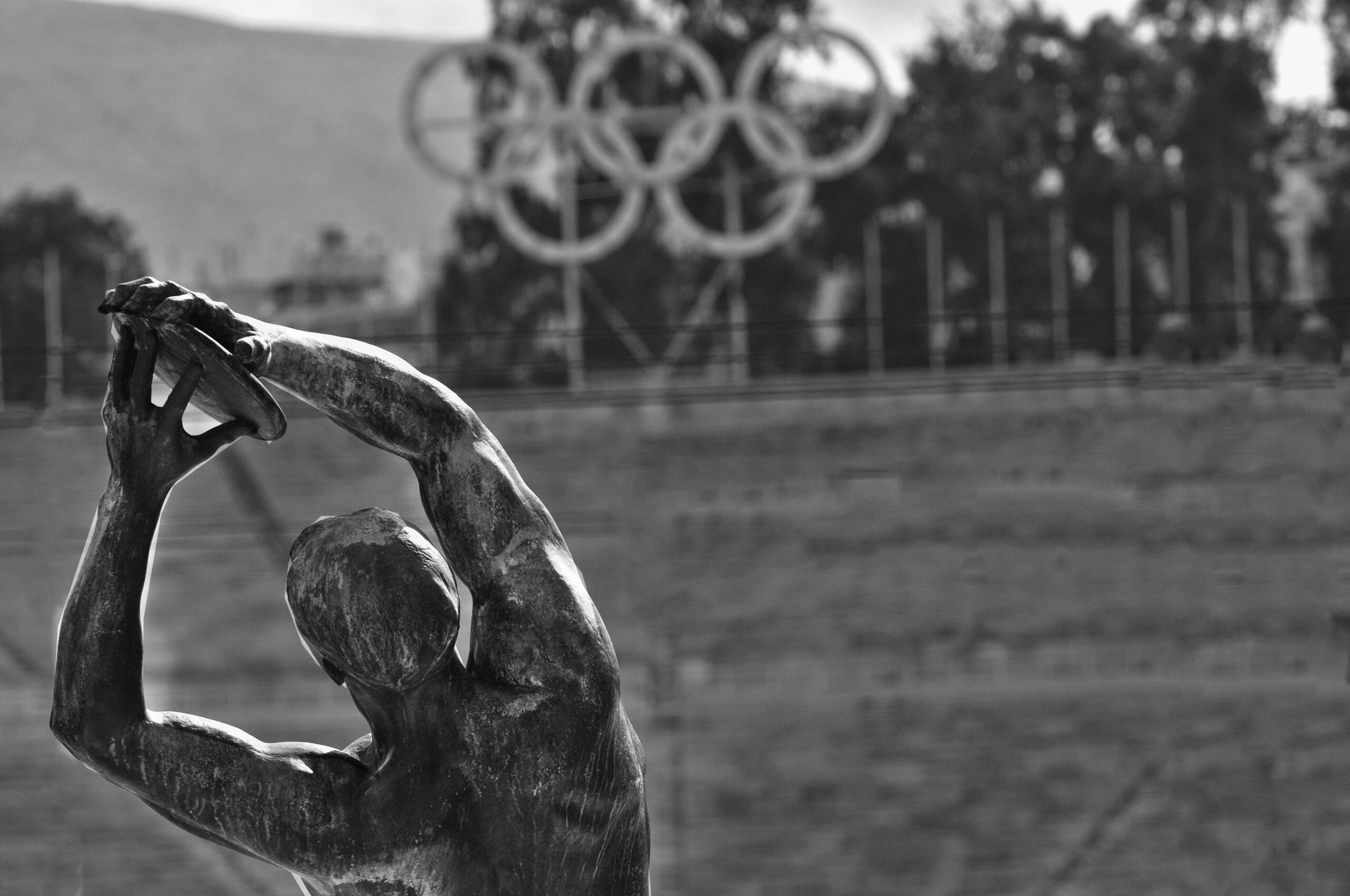
The Olympic Games are one of the most famous sporting events in the world, bringing together athletes from many countries to compete for gold, silver, and bronze medals. The Games have a long and fascinating history that stretches from ancient Greece to the modern era.
The Ancient Olympics
The first recorded Olympic Games took place in 776 BCE in Olympia, Greece. These games were held in honor of Zeus, the chief god in Greek mythology. They were part of a religious festival and included not just sports but also ceremonies and sacrifices.
In the early years, the Games featured only one event: a short footrace called the stadion. Over time, more events were added, such as wrestling, long jump, discus, javelin, and chariot racing. Only freeborn Greek men could compete, and athletes competed without clothing as a celebration of the human body.
The Ancient Olympics were held every four years, a tradition that inspired the modern Olympics. The games continued for over 1,000 years until they were banned in 393 CE by the Roman Emperor Theodosius I, who saw them as a pagan festival.
The Birth of the Modern Olympics
The modern Olympic Games were revived in the late 19th century thanks to the efforts of French educator Pierre de Coubertin. He believed that international sports competitions could promote peace and friendship between nations.
The first modern Olympics took place in Athens, Greece, in 1896. They featured 14 countries and around 250 athletes, competing in events such as athletics, swimming, gymnastics, cycling, and wrestling. Since then, the Games have been held every four years, except during World War I and World War II.
The Growth of the Games
Over time, the Olympics grew in size and scope. The number of participating countries and athletes increased, and new sports were added to the program. The Winter Olympics began in 1924, featuring sports like skiing, ice hockey, and figure skating.
The Games also began to include female athletes, starting in 1900. Today, the Olympics aim for gender equality, with almost equal numbers of male and female participants.

Symbols and Traditions
The Olympic symbols are recognized around the world. The five interlocking rings represent the unity of the five continents. The Olympic flame is lit in Olympia, Greece, and carried by torch relay to the host city. The opening and closing ceremonies are grand events that showcase the culture of the host country.
Challenges and Controversies
The Olympics have faced challenges, including political boycotts, financial issues, and doping scandals. Some cities have struggled with the cost of hosting the Games, while others have used the event as a way to boost tourism and national pride.
The Future of the Olympics
The Olympics continue to evolve, adding new sports like skateboarding, surfing, and climbing. Sustainability and inclusivity are now major goals for the International Olympic Committee. Despite challenges, the Games remain a powerful symbol of international cooperation and athletic excellence.
Conclusion
From a religious festival in ancient Greece to a global sporting event watched by billions, the Olympic Games have a history full of change, growth, and unity. They remind us of the power of sports to bring people together, regardless of language, culture, or nationality.