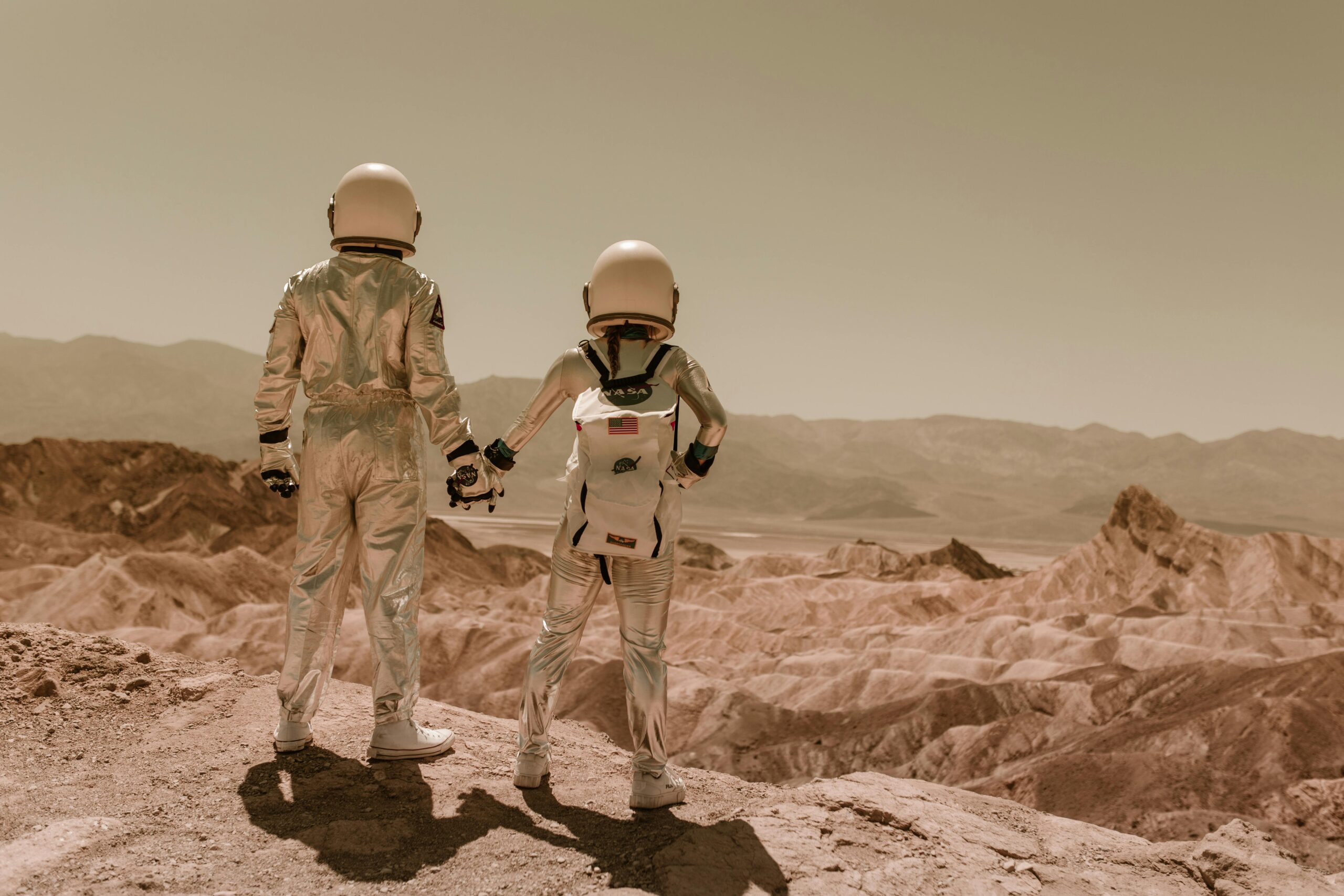
The idea of humans living on Mars has captured people’s imagination for decades. With recent advances in space technology and growing interest from governments and private companies, this possibility is starting to feel less like science fiction and more like a future project. But what would really happen if people moved to Mars? Life there would be very different from life on Earth, and survival would depend on solving many challenges.
The Martian Environment
Mars is the fourth planet from the Sun and is much colder than Earth. The average temperature is about -63°C (-81°F), and at night, it can drop much lower. The thin atmosphere is mostly made of carbon dioxide, with almost no oxygen for humans to breathe. It also does not protect against harmful solar radiation the way Earth’s atmosphere does.
The planet’s surface is dusty, dry, and covered with rocks. There is some frozen water at the poles and under the ground, but there are no rivers, lakes, or oceans like on Earth. The gravity is about 38% of Earth’s gravity, which would make you feel much lighter but could also affect muscle and bone health over time.
Building Habitats
Because the air is unbreathable and the temperatures are extreme, humans would need to live in specially designed habitats. These structures would have thick walls to protect from radiation, air pressure systems to keep the atmosphere inside, and life-support machines to provide oxygen and remove carbon dioxide.
These habitats could be built on the surface or underground. Underground bases would give better protection from radiation and meteorites. Power for these habitats could come from solar panels or small nuclear reactors, since Mars receives less sunlight than Earth.
Food and Water
Transporting food from Earth would be expensive and impractical for long-term living. People would need to grow their own food in greenhouses with artificial lighting and controlled conditions. This would require recycling water and nutrients. Scientists are researching how to grow plants in Martian soil, but the soil contains toxic chemicals that would need to be removed first.
Water would have to be extracted from underground ice or recycled from waste. Every drop would be valuable, and water recycling systems would be essential for survival.
Health Challenges
Living on Mars would put the human body under stress. Low gravity could weaken muscles and bones, while high radiation exposure could increase the risk of cancer. People might also face mental health challenges from isolation, small living spaces, and being far from Earth. Exercise, protective shielding, and strong community support would be necessary.
Daily Life on Mars
Days on Mars are about 24.6 hours long, so adjusting to the day-night cycle would be easy. However, the year is almost twice as long as Earth’s, meaning seasons last longer. Dust storms can cover the entire planet and block sunlight for weeks, affecting energy production and visibility.
Daily life would involve maintaining equipment, growing food, monitoring health, and working on scientific research. Leisure activities, communication with Earth, and virtual reality could help people cope with the isolation.
Possible Benefits
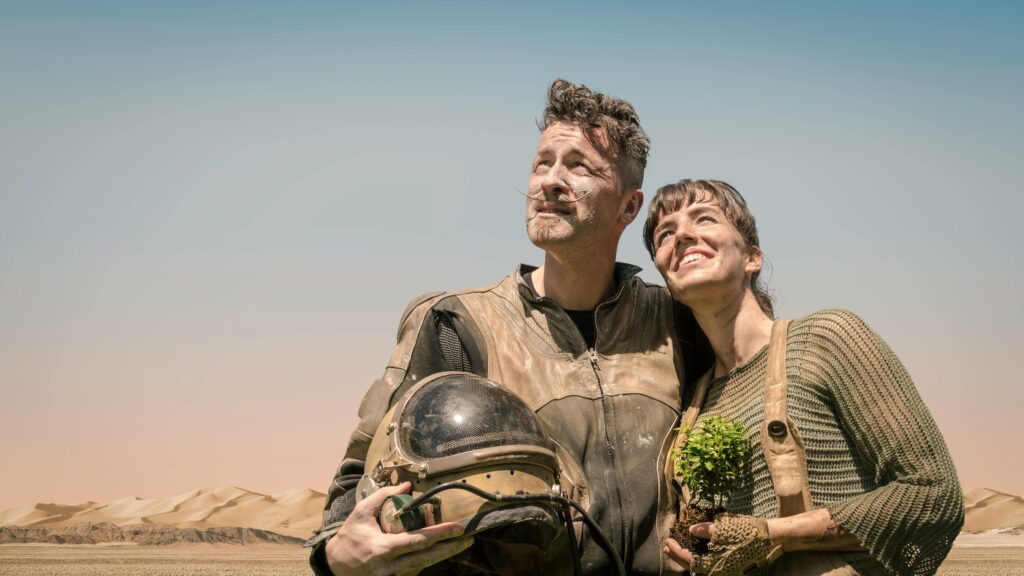
Living on Mars could teach humanity how to survive in extreme environments. It could also inspire technological innovations that would benefit life on Earth. A permanent presence on Mars would make humans a multi-planet species, which could help protect our survival if something happened to Earth.
Final Thoughts
If humans lived on Mars, life would be challenging, dangerous, and very different from life on Earth. However, with the right technology, planning, and cooperation, it could be possible. The first settlers would pave the way for future generations, turning a distant dream into reality.