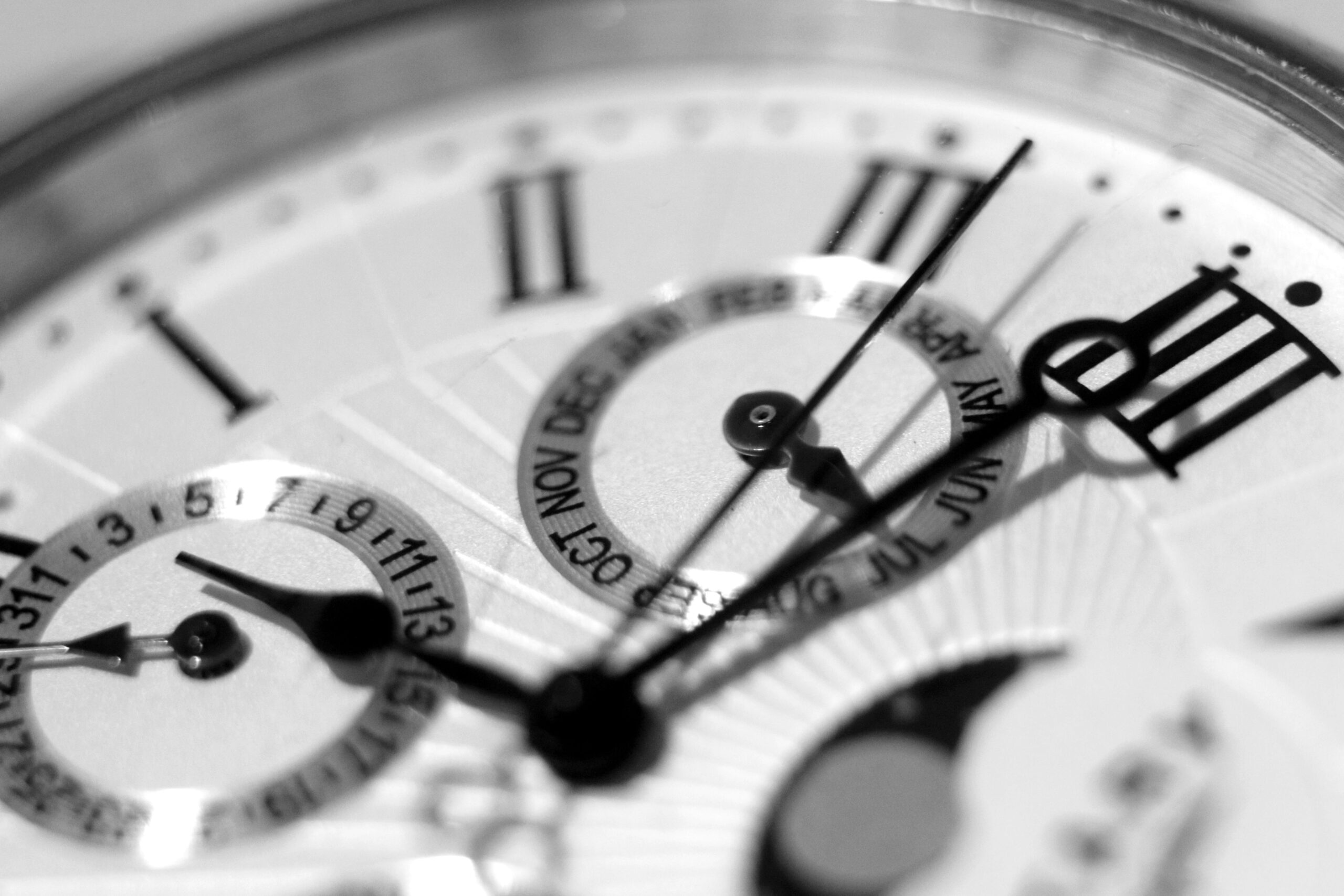
Have you ever noticed that weekends seem to pass in the blink of an eye, while a boring lecture or a long wait feels like it lasts forever? The way we experience time is surprisingly subjective, and scientists have spent decades exploring why time sometimes seems to fly and other times drags. Our perception of time is influenced by biology, psychology, and even the way our brains process memories. Understanding this can help us better manage our schedules, reduce stress, and even enhance our daily experiences.
The Biological Clock Inside Us
At the core of how we perceive time is our internal biological clock. The brain uses specialized neurons in a region called the suprachiasmatic nucleus to regulate circadian rhythms—our natural 24-hour cycle that influences sleep, hormone release, and metabolism.
But when it comes to short-term time perception, other mechanisms take over. Scientists believe the brain’s dopamine system plays a critical role. Dopamine, a neurotransmitter associated with pleasure and reward, affects how we process time intervals. When we are engaged and enjoying ourselves, dopamine levels rise, and our brain “compresses” time, making hours feel like minutes. Conversely, when we are bored or stressed, dopamine levels drop, and time seems to slow down.
Attention and Time
Psychologists have found that attention is a major factor in time perception. When you focus intensely on a task or an activity, you are less aware of the passage of time. This is sometimes called “flow,” a state where people become completely absorbed in what they are doing. Athletes, artists, and musicians often describe being in this state as time “disappearing.”
On the other hand, when your mind is wandering or you’re waiting for something to happen, you are highly aware of the clock. Each passing second is noticeable, which makes time feel slow. This is why a five-minute wait can feel like an eternity when you are bored or anxious.

Memory and the Illusion of Time
Another factor influencing our perception of time is memory. Researchers have found that time seems to pass more quickly as we get older because we create fewer novel memories. When we are children, nearly everything is new and requires more attention, which makes time feel slower. As adults, many experiences become routine, and the brain processes them more efficiently, giving the impression that time is accelerating.
Interestingly, this means that creating new experiences can make time feel fuller and longer. Traveling to a new country, learning a new skill, or even taking a different route to work can make days feel richer and more memorable.
The Role of Emotions
Emotions also have a powerful impact on time perception. Positive emotions, excitement, and engagement tend to make time fly because the brain is focused on rewards and novelty. Negative emotions such as fear, anxiety, or sadness can either slow time or distort it in unusual ways. For example, during dangerous or life-threatening situations, people often report that time seemed to slow down. Scientists believe this is due to the brain processing more information per second, a survival mechanism that allows us to react quickly.
Cultural and Psychological Factors
Culture and personal mindset can also shape how we perceive time. Some studies suggest that people in fast-paced societies perceive time as moving quickly, while those in slower-paced cultures experience time more deliberately. Additionally, mindfulness and meditation practices can help people become more aware of the present moment, altering their perception of how quickly time passes.
Practical Takeaways
Understanding why time seems to fly has practical implications:
- Make time feel longer: Engage in novel experiences, learn new skills, and break routines. Your brain will process these events more richly, making days feel fuller.
- Slow down the rush: Mindfulness and meditation can help you savor moments and reduce the feeling of time slipping away.
- Manage productivity: Knowing that focused attention makes time feel faster can help you structure work sessions and breaks effectively.
- Reduce stress: Stress and anxiety distort time perception. Techniques like deep breathing, exercise, and spending time outdoors can help regulate your internal clock.
Conclusion
Time is not just a clock ticking away; it is a subjective experience shaped by our biology, attention, emotions, and memories. While we cannot control the absolute passage of time, understanding how our perception works allows us to live more fully, savor experiences, and even manipulate how we feel about our days. Next time a weekend seems to fly by, remember that your brain is doing exactly what it is designed to do — compressing the moments when you are fully alive.